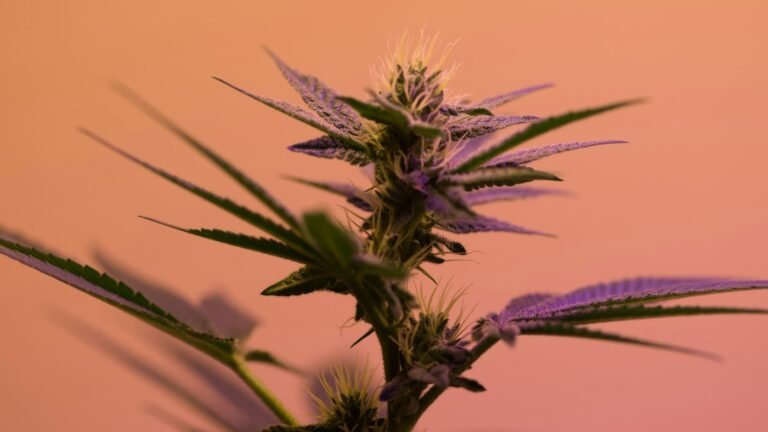
Shatter vs Hash: What’s the Difference?
Shatter and hash both sit in the concentrates section of a cannabis menu, and both are made by separating the resin-rich parts of the plant from the rest of it. That is where the similarities end. They are made in different ways, they look and handle differently, and people tend to use them differently. This guide explains each one in plain terms so you can decide which fits the way you consume. It is general product information for adults 19 and over, not medical advice.
Shatter vs hash at a glance
| Shatter | Hash | |
|---|---|---|
| How it is made | Solvent extraction, then the solvent is purged | Resin glands collected and pressed, usually without solvents |
| Look | Thin, translucent sheets, amber to gold | Opaque blocks or slabs, tan to dark brown |
| Texture | Hard and glassy; snaps when cool | Ranges from crumbly to soft and pliable |
| Common uses | Dab rig, concentrate vaporizer, a small amount on flower | Crumbled into a joint or bowl, pipe, vaporizer |
| Potency | Usually at the high end of the range | Varies widely between products |
How shatter is made
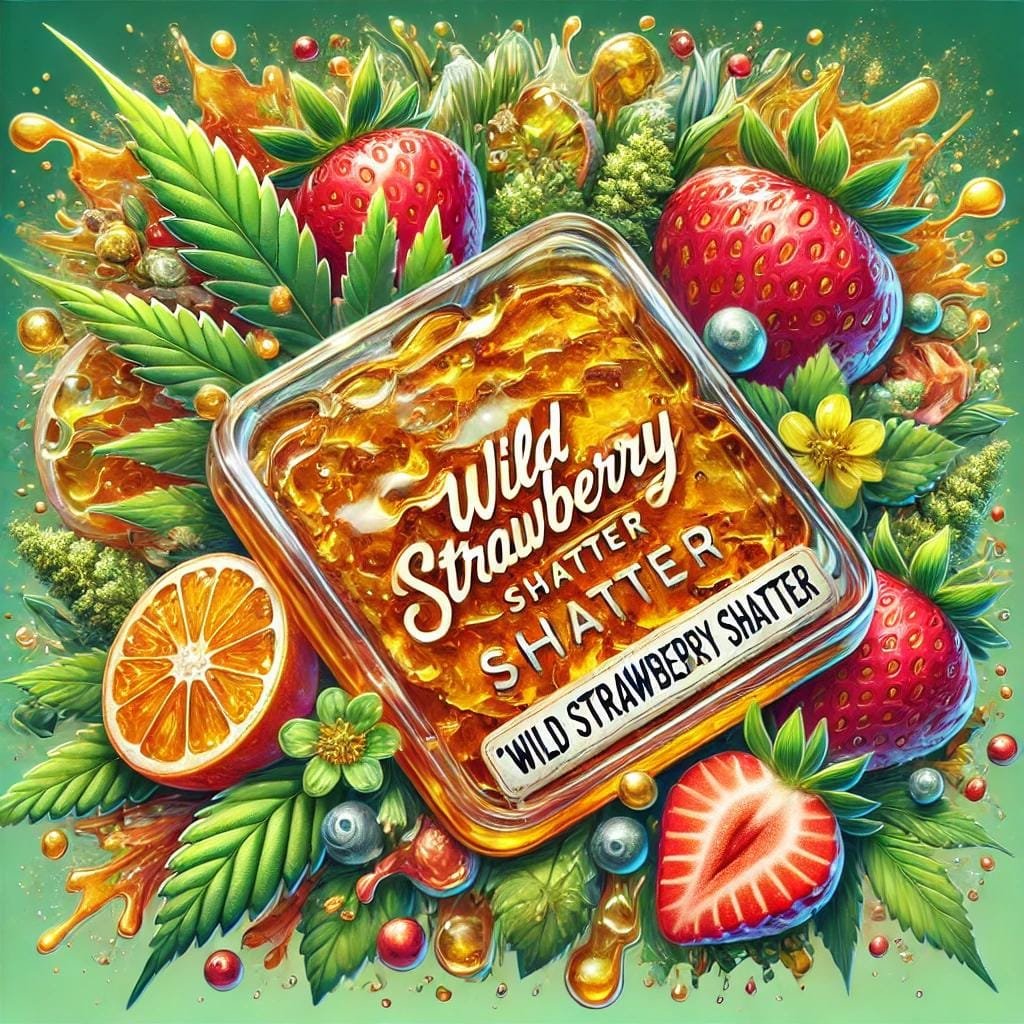
Shatter is a solvent-based extract. In plain terms, a solvent, most often a hydrocarbon such as butane, is passed through cannabis to dissolve the cannabinoids and terpenes out of the plant material. The solvent is then removed with gentle heat and vacuum equipment, leaving a concentrated oil that is spread thin and cooled until it sets into a hard, glass-like sheet. The name comes from the way it snaps or “shatters” when you break it.
Shatter belongs to the same family as wax, budder and honeycomb. Global News reports Health Canada describing these products as often the strongest cannabis products, and many of them as made from butane hash oil (BHO) using different processes. What separates shatter from wax or budder is mostly how the oil is handled after extraction: left undisturbed, it stays clear and glassy; whipped or agitated, it turns opaque and soft.
Solvent extraction needs specialized, closed-loop equipment. Fire officials in Ontario have warned about fires and explosions at makeshift butane extraction set-ups, so this is not something to attempt at home.
How hash is made
Hash is one of the oldest cannabis concentrates. The EU drugs agency’s paper on the supply of hashish to Europe describes it as made by compressing the resin glands, or trichomes, of the female cannabis plant. The trichomes are the tiny, sticky, crystal-like structures that cover good-quality flower. The main methods are:
- Dry sifting: dried plant material is shaken or tumbled over fine screens. The trichome powder that falls through is kief, which is then pressed into hash.
- Ice water extraction: cold flower is stirred in ice water so the brittle trichomes break off, and the mixture is filtered through a series of mesh bags. The result is often called bubble hash.
- Hand rubbing: resin is rubbed off live plants by hand and rolled into balls or sticks, a traditional style often called charas.
Most hash is then pressed with some heat and pressure to form a block, slab or ball. Because these methods rely on physically separating the resin, most hash is made without chemical solvents.
Texture and appearance
Shatter
Shatter is usually translucent and amber, honey or gold in colour. Hold it up to the light and you can often see through it. It is hard and brittle at room temperature or below, and it softens and gets sticky when warm. Over time, heat, air and handling can make shatter turn cloudy and sugary. That is a change in texture, and it is one reason storage matters.
Hash
Hash is opaque. Colour ranges from light tan through medium brown to almost black, depending on the starting material and method. Texture varies just as much: some hash is dry and crumbly, while some is soft enough to roll between your fingers once it warms up. The outside of a block is often darker than the inside.
Typical ways to consume them
Shatter
- Dab rig: the classic method. The Canadian Centre on Substance Use and Addiction (CCSA) describes dabbing as using a specialized water pipe (a “dab rig”), a heating element called a nail, a torch and a dab tool. Electronic rigs replace the torch with a controlled heater.
- Concentrate vaporizer: portable devices with a small chamber designed for extracts.
- Sprinkled on flower: a tiny piece placed on ground flower in a bowl or rolled into a joint.
The CCSA’s guide Things You Need to Know about Cannabis Extracts advises people who are new to cannabis not to dab, and to read the label carefully before using any extract.
Hash
- Crumbled into a joint or bowl: warm a small piece, crumble it and mix it with ground flower.
- Pipe with a screen: a small piece on its own, on a screen so it does not fall through.
- Vaporizer: some dry herb vaporizers accept hash with a pad or concentrate insert. Check the device instructions.
- Dab rig: high-grade ice water hash and hash rosin can be dabbed like other concentrates.
Whichever you choose, start low. Health Canada’s consumer page What you need to know if you choose to consume cannabis advises the most caution with products above 200 mg/g (20%) THC and names shatter as an example. It also says it can take up to 30 minutes to feel the full effects of one inhalation. Canada’s Lower-Risk Cannabis Use Guidelines advise against inhaling deeply or holding your breath.
How to store shatter and hash
- Keep them cool and dark. Heat and light are the main reasons shatter softens or turns sugary and hash dries out.
- Use airtight containers. Glass jars and silicone containers work well. Shatter is often stored folded in parchment paper inside a container so it does not stick.
- Handle them as little as possible. Warm fingers soften both products.
- Keep them away from moisture. Humidity can affect texture.
- Store securely. Health Canada’s safe storage advice is to keep cannabis in its original packaging, locked away and out of reach of children and pets.
Shatter or hash: how to choose
- Think about your equipment. If you do not have a dab rig or concentrate vaporizer, hash is easier to use with the joints, pipes and bowls you already own. Shatter can still be sprinkled on flower, but in very small amounts.
- Consider your experience. Shatter is usually more concentrated. If you are new to concentrates, a small amount of either, with time to wait between puffs, is the sensible starting point.
- Read the label. THC and CBD content varies a lot from product to product, especially with hash. Our guide on how to read a cannabis label in Canada explains the numbers.
- Decide how much handling you want. Shatter is brittle and can get sticky; hash is easy to break up and crumble.
- Consider aroma and flavour. Hash often has an earthy, spicy character from the pressing process, while shatter tends to carry the flavour of the original strain’s terpenes. Product descriptions are the place to compare.
Browse our shatter and hash categories to compare textures, strains and THC details side by side.
Explore concentrates
When you know which style suits your set-up, visit the shop to see the full concentrates range and order for delivery.
Shatter and hash FAQ
Is shatter stronger than hash?
Shatter is usually more concentrated, and Health Canada lists it among products above 20% THC that call for the most caution. Hash potency varies widely, so always compare the THC on the label rather than going by product type.
Can I smoke shatter in a joint?
Some people add a very small piece of shatter to the flower in a joint or bowl. It can melt and run, so use a tiny amount and expect the joint to burn less evenly.
Why has my shatter gone cloudy or sugary?
Heat, air, moisture and handling can cause shatter to lose its glassy texture over time. Storing it cool, dark and airtight in parchment slows this down.
Is hash the same as kief?
Not quite. Kief is the loose trichome powder collected by sifting. Hash is usually that resin pressed together into a solid block or ball.
Do I need a dab rig for hash?
No. Most people crumble hash into a joint or bowl, or use a pipe with a screen. A dab rig is mainly used for shatter, other extracts and high-grade ice water hash or hash rosin.